What If You Do Nothing? is a column based on real-world experiences. Some details in the article have been adjusted to ensure business confidentiality.
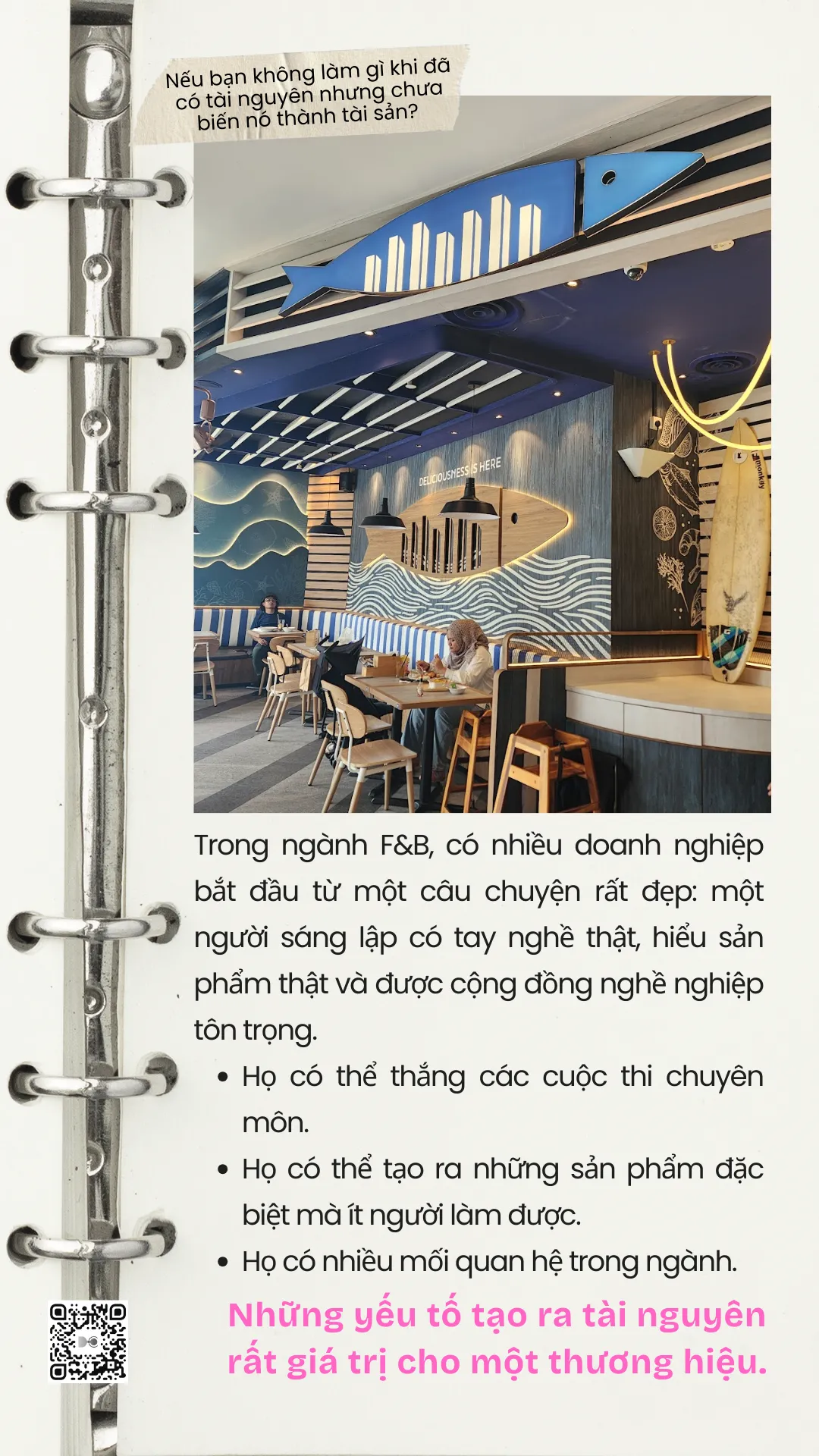
In the F&B industry, many businesses start with a beautiful story: a founder with genuine skills, a true understanding of the product, and the respect of the professional community.
- They can win professional competitions.
- They can create unique products that few others can make.
- They have many connections in the industry.
Those factors create very valuable resources for a brand.
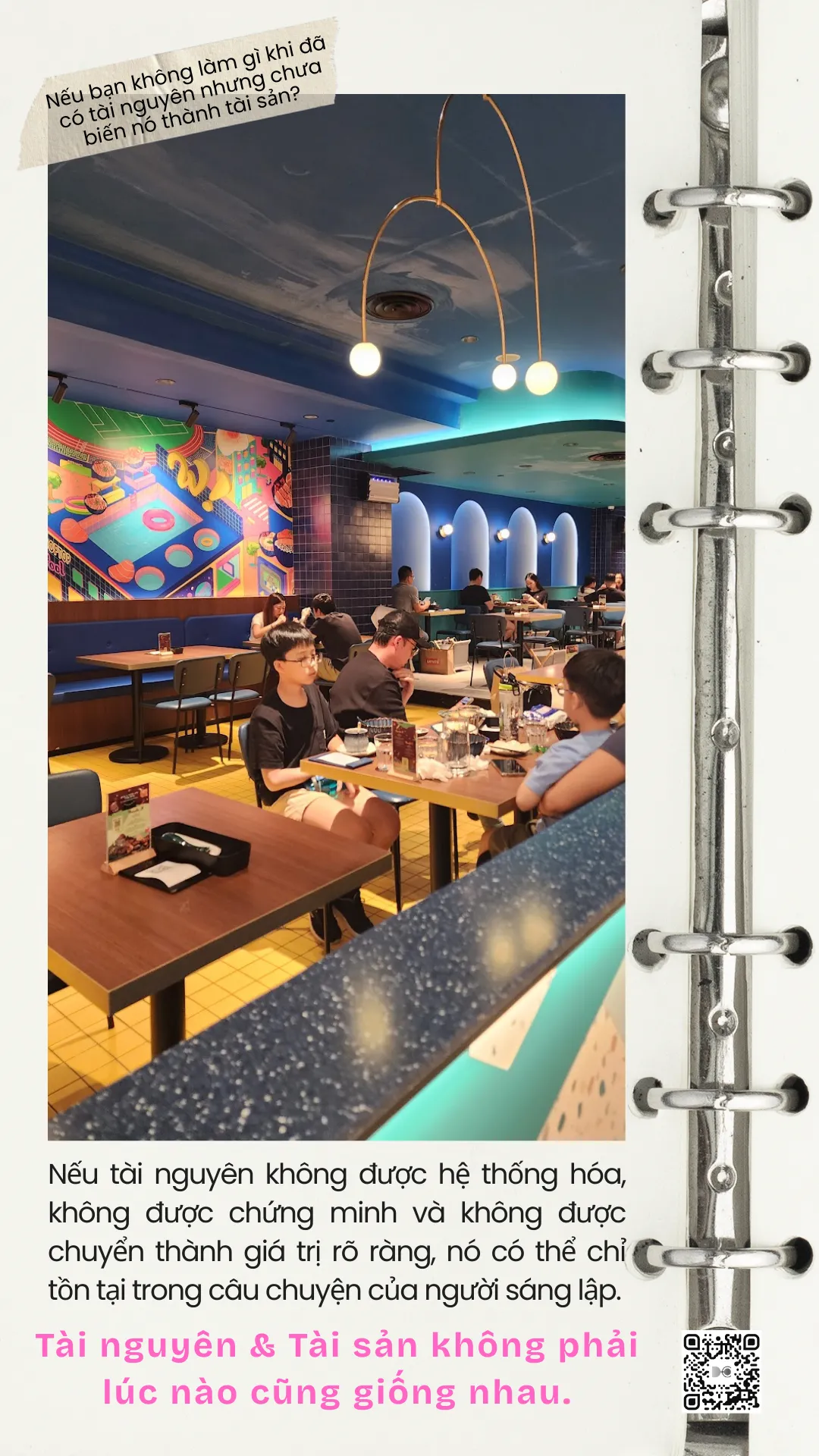
Resources and assets are not always the same.
If resources are not systematized, proven, and translated into tangible value, they may only exist in the founder’s story.
The story in this article comes from a nearly 8-year-old F&B business, founded by a reputable figure in the specialty coffee industry and a recipient of numerous professional awards.
But after years, as the business looks to move into the expansion phase, a crucial question begins to emerge: why aren’t those who were willing to listen to the story willing to invest?
What if you do nothing? Being a reputable founder in the industry
The business in this story was built by a founder with a solid background in the coffee industry.
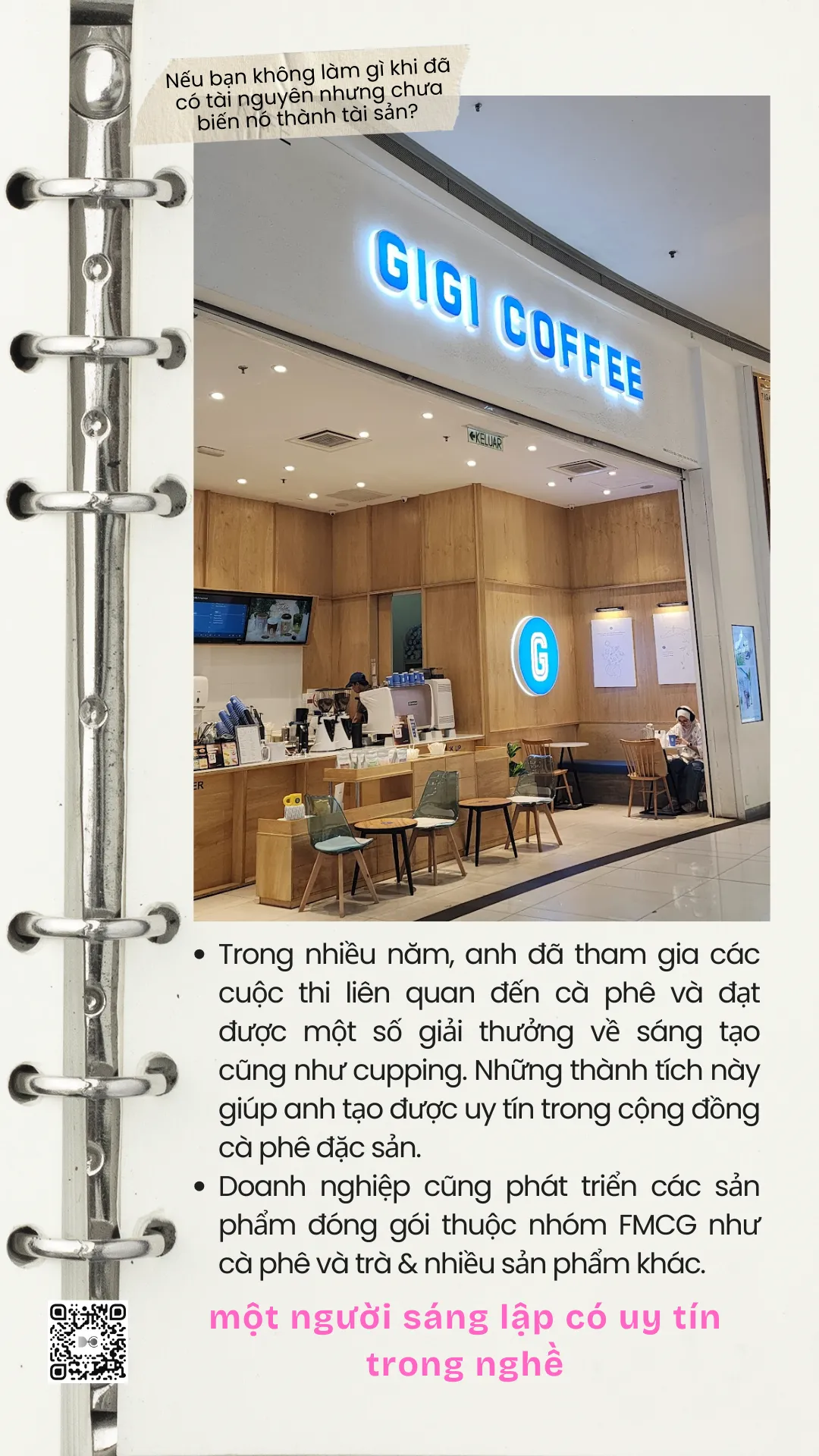
For many years, he participated in coffee-related competitions and won several awards for creativity and cupping.
These achievements helped him build a reputation within the specialty coffee community.
One of the unique aspects of the business is that its products are developed from coffee blossoms – a relatively rare and underutilized ingredient in Vietnam.
From this ingredient, the founder has developed many product ideas:
- Kombucha made from coffee blossoms
- Roasted and ground coffee with unique roasting and brewing methods creating a very distinct brand
- Specialty coffee
- Dried agricultural products: pepper, cashews, dried fruits… each product embodies investment, creativity, and meticulous attention to detail in the processing stages to create the finished product.
In addition to its coffee shop operations, the company also develops packaged products in the FMCG category, such as coffee, tea, and many other products.
From a product perspective, this is a promising direction.
A wide network of relationships
During his time working with Mind Connector, the founder repeatedly shared that he has numerous connections in the industry, both domestically and internationally.
According to him, many people in this network are very close and willing to support the business if it expands.
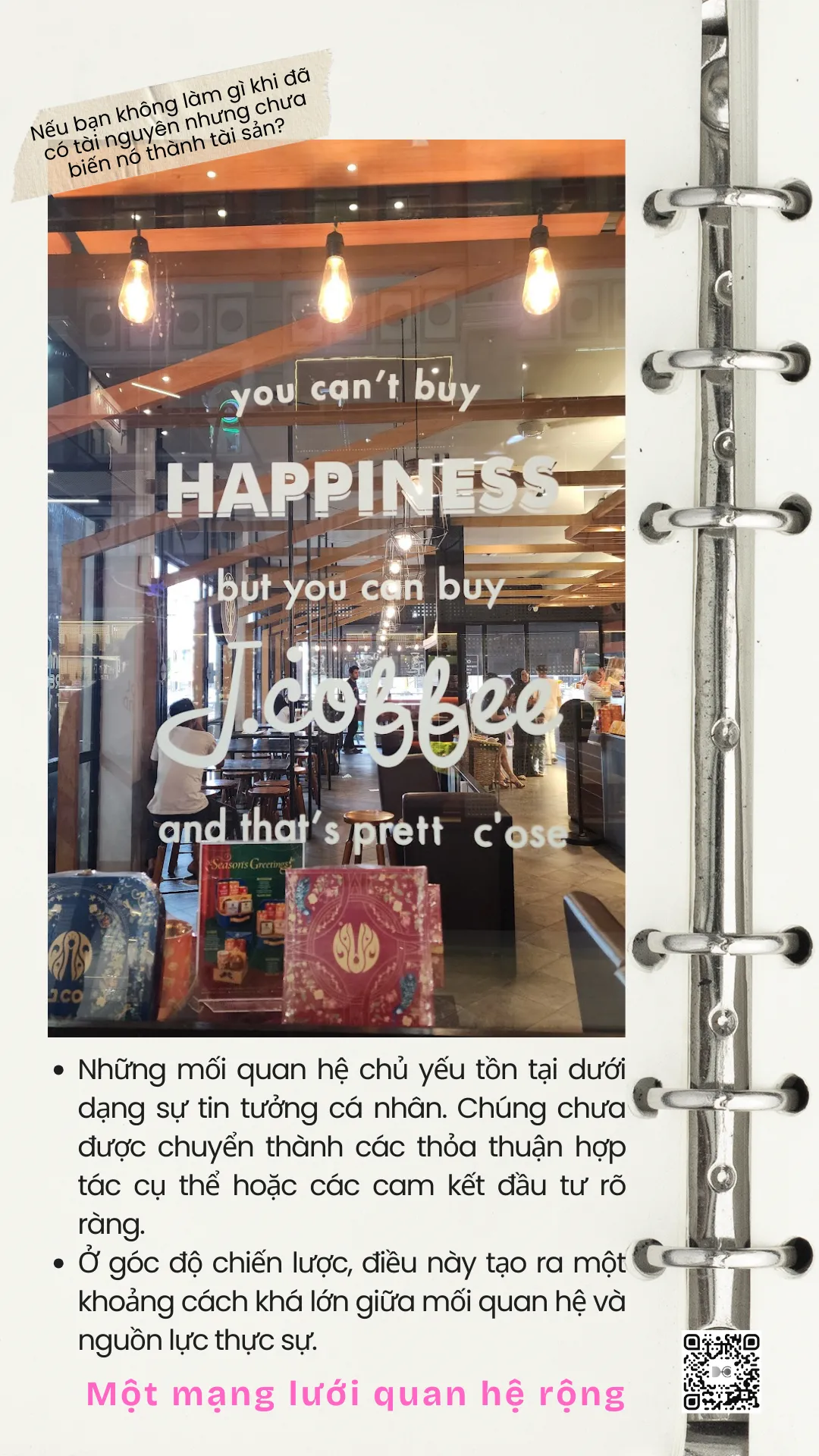
However, these relationships primarily exist in the form of personal trust.
They haven’t translated into concrete cooperation agreements or clear investment commitments.
From a strategic perspective, this creates a significant gap between the relationship and actual resources.
Desire to Expand the Chain
After nearly 7 years of operation, the founder began wanting to expand the business into a chain.
He frankly admitted that he had some weaknesses:
- Lack of marketing experience
- Lack of strategic experience
- Lack of supply chain operations experience
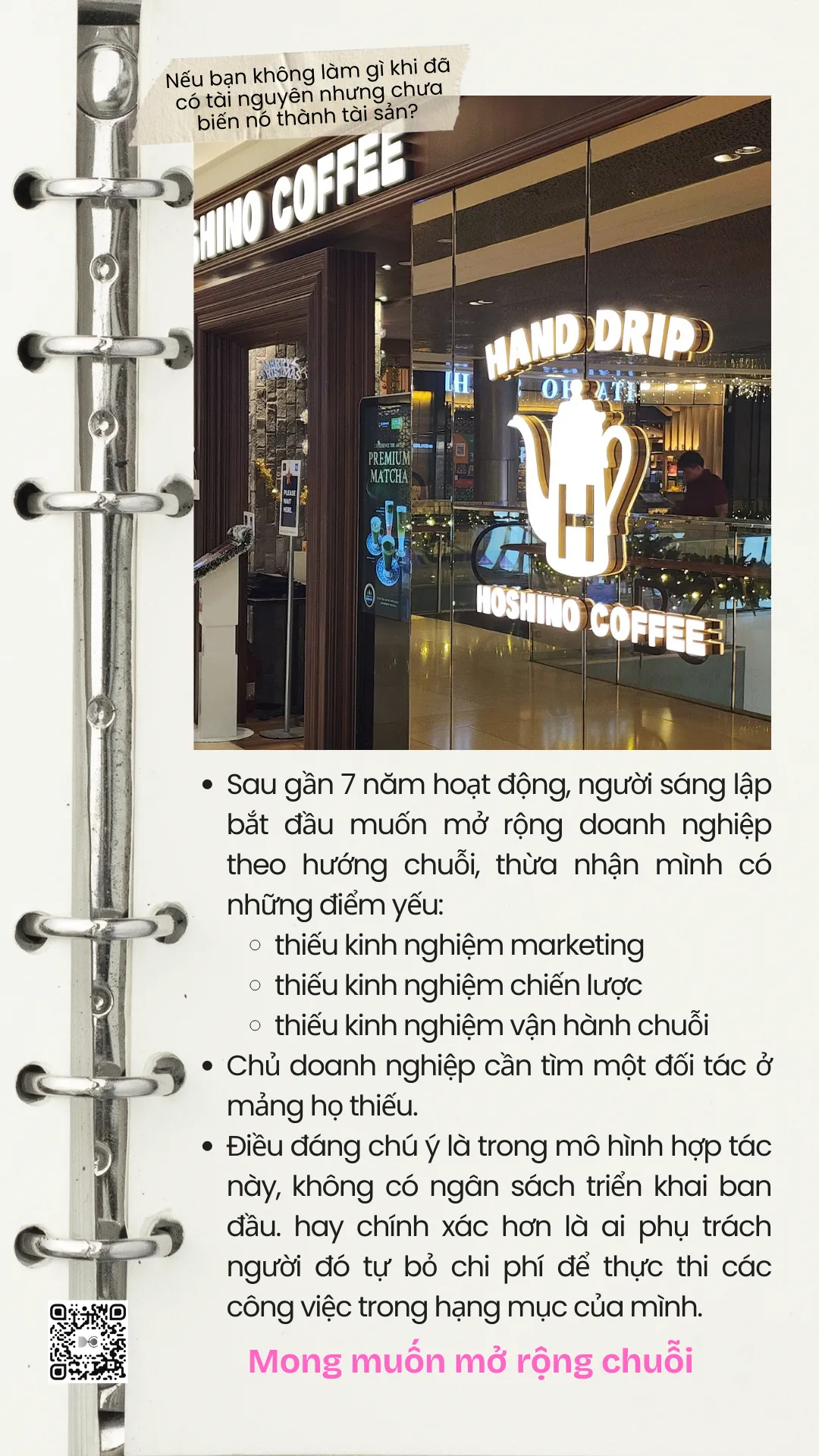
Therefore, upon approaching Mind Connector, he realized it was the missing piece he was looking for, seeking a partner to build a franchise system and expand the chain.
As proposed by the founder, Mind Connector would participate in planning and developing the entire franchise portfolio.
After the chain is sold, the two parties will share the profits.
It’s noteworthy that in this collaborative model, there’s no initial implementation budget; or more accurately, whoever is in charge covers the costs of executing the tasks within their assigned area.
The reason is quite clear: the founder wants to use the money to purchase raw materials and believes that the majority of the business’s foundation is already in place.
When resources are unproven
During the course of work, a crucial point began to emerge.
The founder had many excellent resources:
- Professional awards
- Innovative products
- Industry relationships
But these resources have not yet been systematized into clearly defined assets.
- There is no complete brand profile.
- There is no specific market data.
- There is no clear evidence of the business effectiveness of the cafe model; if any, it is only alleged revenue figures.
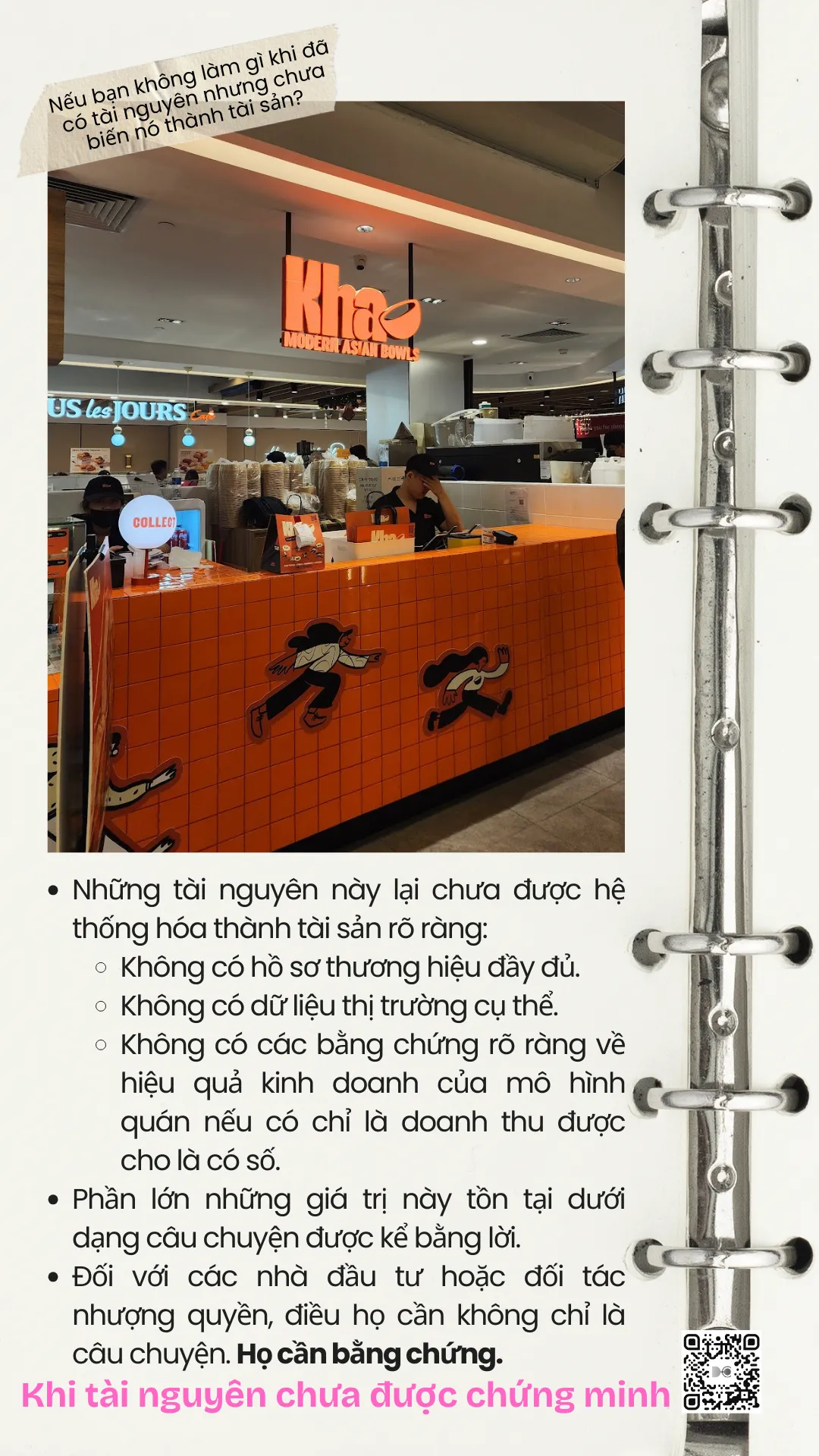
Much of this value exists in the form of a story told orally.
Meanwhile, for investors or franchise partners, what they need is more than just a story.
They need proof.
When the role of a partner is misunderstood
Another problem also began to emerge in the perception of partnerships.
The founder believed that partners – including Mind Connector – could contribute resources to help build the brand and marketing.
The reason was quite simple: he believed he already had almost everything he needed.
- The product is there.
- The brand story is there.
- The relationships are there.
So all that’s left is to sell and deploy.
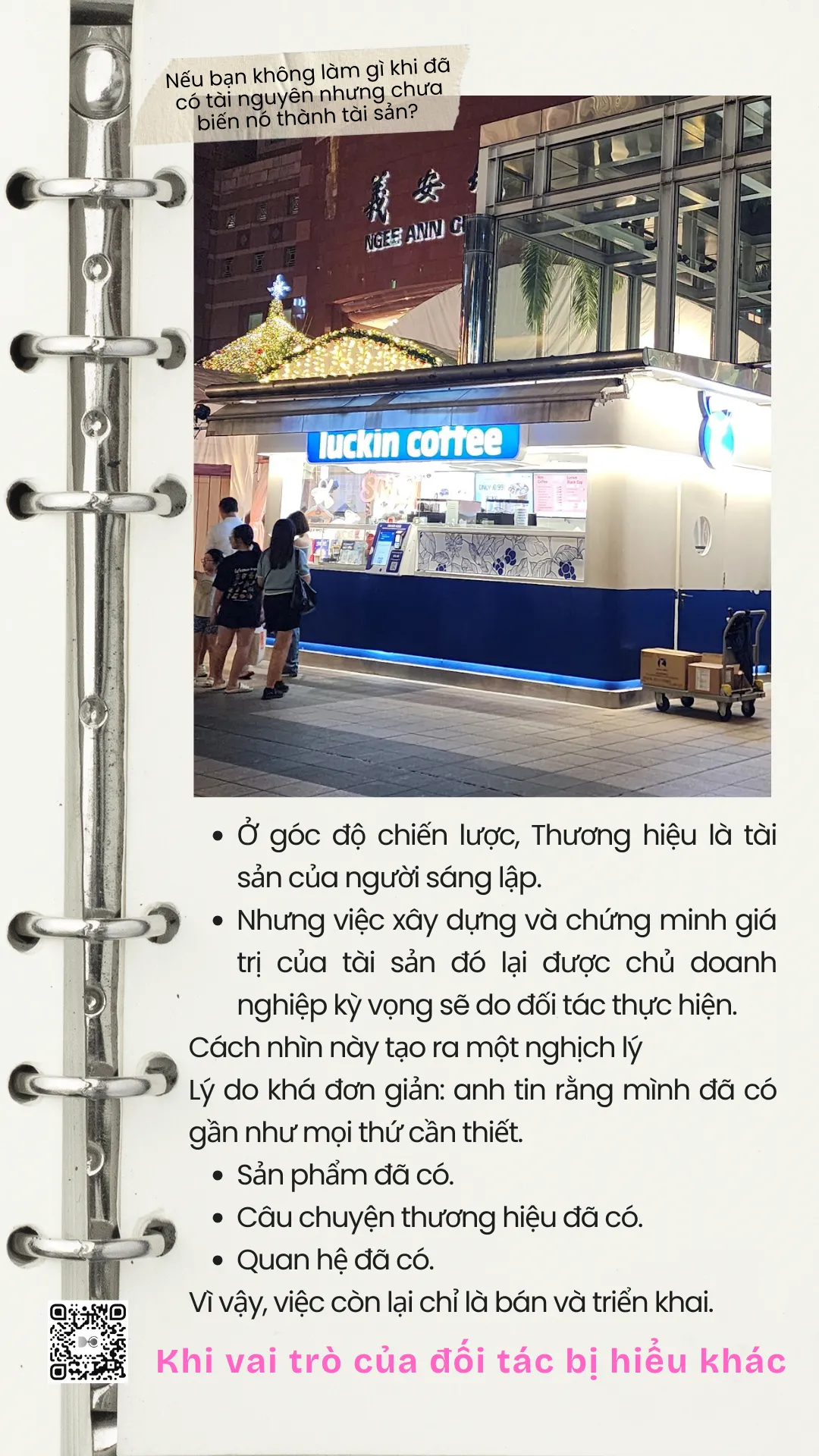
However, from a strategic perspective, this view creates a paradox.
The brand is the founder’s asset.
But building and proving the value of that asset is expected to be done by the partner.
And… the investors left.
During the investor search, the founder met with quite a few interested parties.
But after discussions, many investors did not proceed to the partnership stage.
One fairly obvious reason is that they did not fully see the advantages the founder was talking about.
- They hear the story about the product.
- They hear the story about the relationships.
- They hear the story about the potential of the chain.
But when it comes to making real investment decisions, they need something more concrete:
- Clear business model
- Target customer segment
- Specific investment value
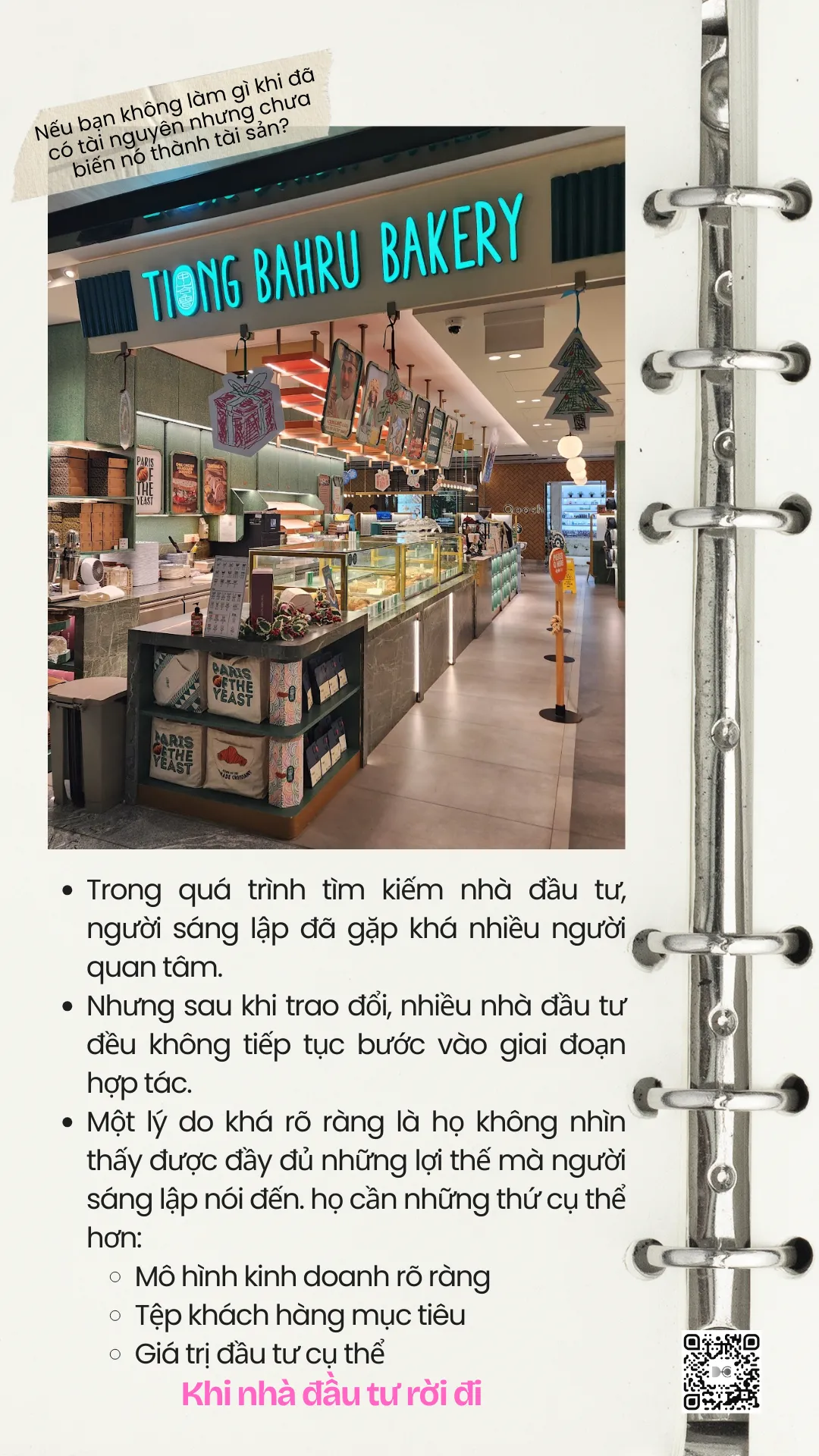
When a business hasn’t clearly identified its investors:
A key detail in the fundraising process is how the founder identifies potential investors.
- Sometimes it’s an acquaintance in the industry.
- Sometimes it’s a brother figure in a personal relationship.
- And sometimes it’s another business partner.
These relationships change quite quickly.

This reflects a crucial strategic problem: the company hasn’t truly identified its target investor base.
And if you don’t know who you’re looking for, convincing them becomes very difficult.
Lessons from a 7-Year Journey
After more than 7 years of operation, the business is still in the process of finding ways to expand.
Notably, many fundamental questions remain unanswered.
- Who is this chain being sold to?
- What value do investors receive?
- Why should they invest in this model?
- What makes them trust the brand?
These questions may sound simple. But without answers based on concrete action and data, they are unlikely to create real value.
When a Brand Needs to Be Built by Its Founder
Another important lesson in this story relates to the role of the founder.
A brand, at its deepest level, is the story and values that the founder builds over time.
If the process of forming and shaping a brand is entirely entrusted to another party, that brand may lose its original direction.
This is like a simple analogy.
You give birth to a child. But you hand over the entire responsibility of raising them to someone else.
The child can still grow up. But it’s difficult for them to develop exactly as you want them to.
It’s the same in business. There are very basic things, but if you only think about them without actually doing them, their value will be very difficult to realize.