What If You Do Nothing? is a section based on real-world experience. Some details in this article have been adjusted to ensure business confidentiality.
In many startup projects, there’s a fairly common mindset: founders believe they understand the market well enough to start immediately.
- They had read a lot of material.
- They had industry connections.
- They had worked with many consulting firms before.
Therefore, when entering a new project, they believed they had almost everything they needed.
But sometimes, the feeling of “I already understand” causes businesses to skip a crucial step: reviewing the entire problem before starting.
The story in this article comes from a startup project in the healthcare industry – a new brand focusing on organic spirulina.
- Good idea.
- The founder has experience working with many large agencies.
- The product is built with a clean, minimalist design philosophy in the Japanese and Korean style.
But during the strategic planning process, a crucial point emerged: the company believed it didn’t need to do much more preparation.
What if you do nothing when a startup project is quite well-prepared?
The founder of this project is not entirely new to the business environment.
Previously, they have participated in many different projects and worked with large agencies in market research, branding, and advertising.
Some previous projects were even undertaken with considerable budgets and with reputable consulting firms, including international agencies.
These experiences give the founder a certain foundation in how to build a brand and develop a product.
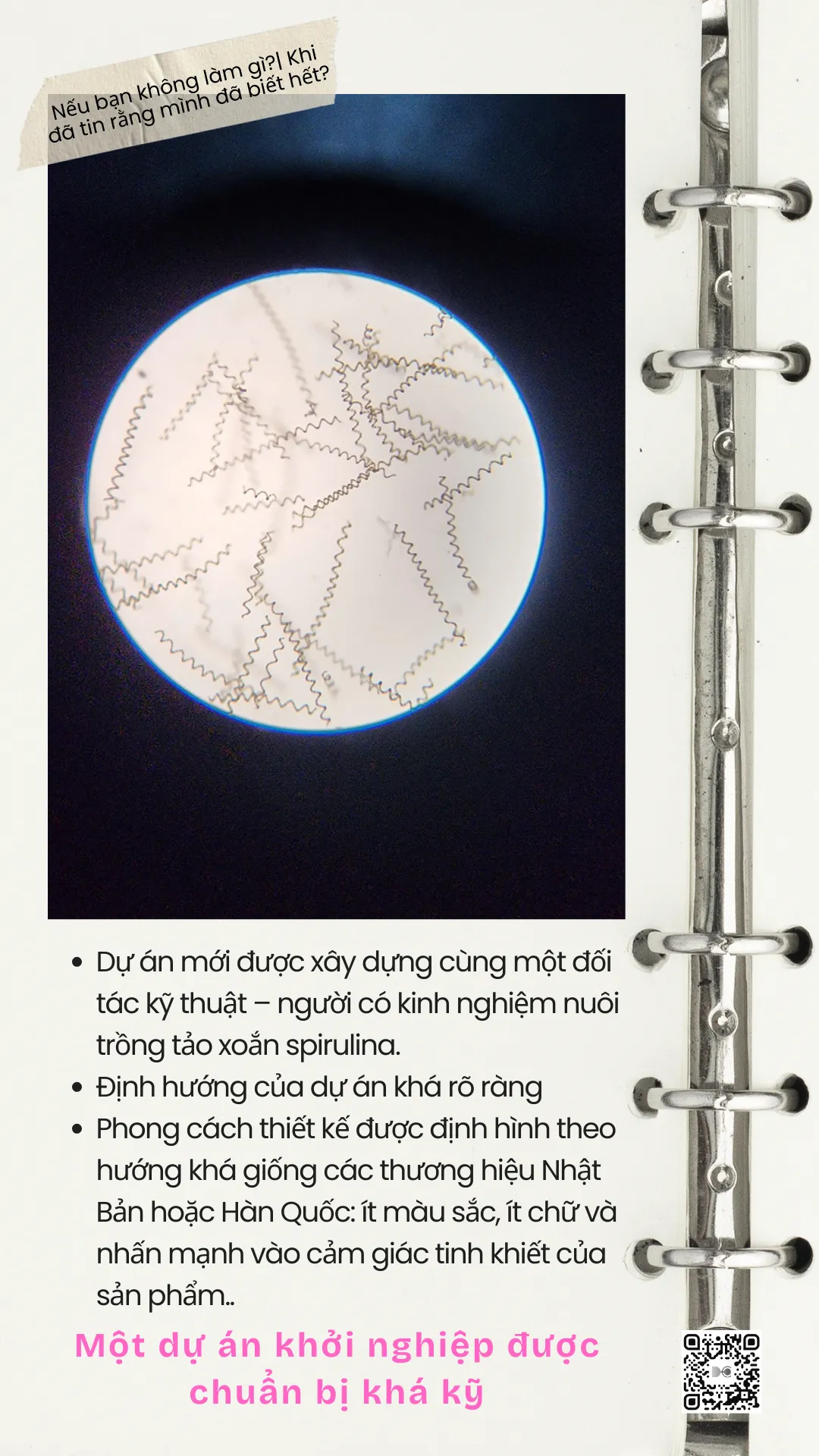
The new project is being developed in collaboration with a technical partner – someone with experience in cultivating spirulina algae.
The project’s direction is quite clear:
- health care products
- organic raw materials
- minimalist, clean, and transparent design
- The design style is shaped to resemble Japanese or Korean brands: few colors, few words, and an emphasis on the product’s sense of purity.
From a brand image perspective, this is a rather interesting direction.
A market that’s not new, but a challenging niche.
The product category chosen for the project is spirulina algae.
This is a product that has been on the Vietnamese market for over 10 years.
During that time, many spirulina products from Japan have been imported or brought into Vietnam. Therefore, the market is no longer entirely new.
The founder is quite aware of this.
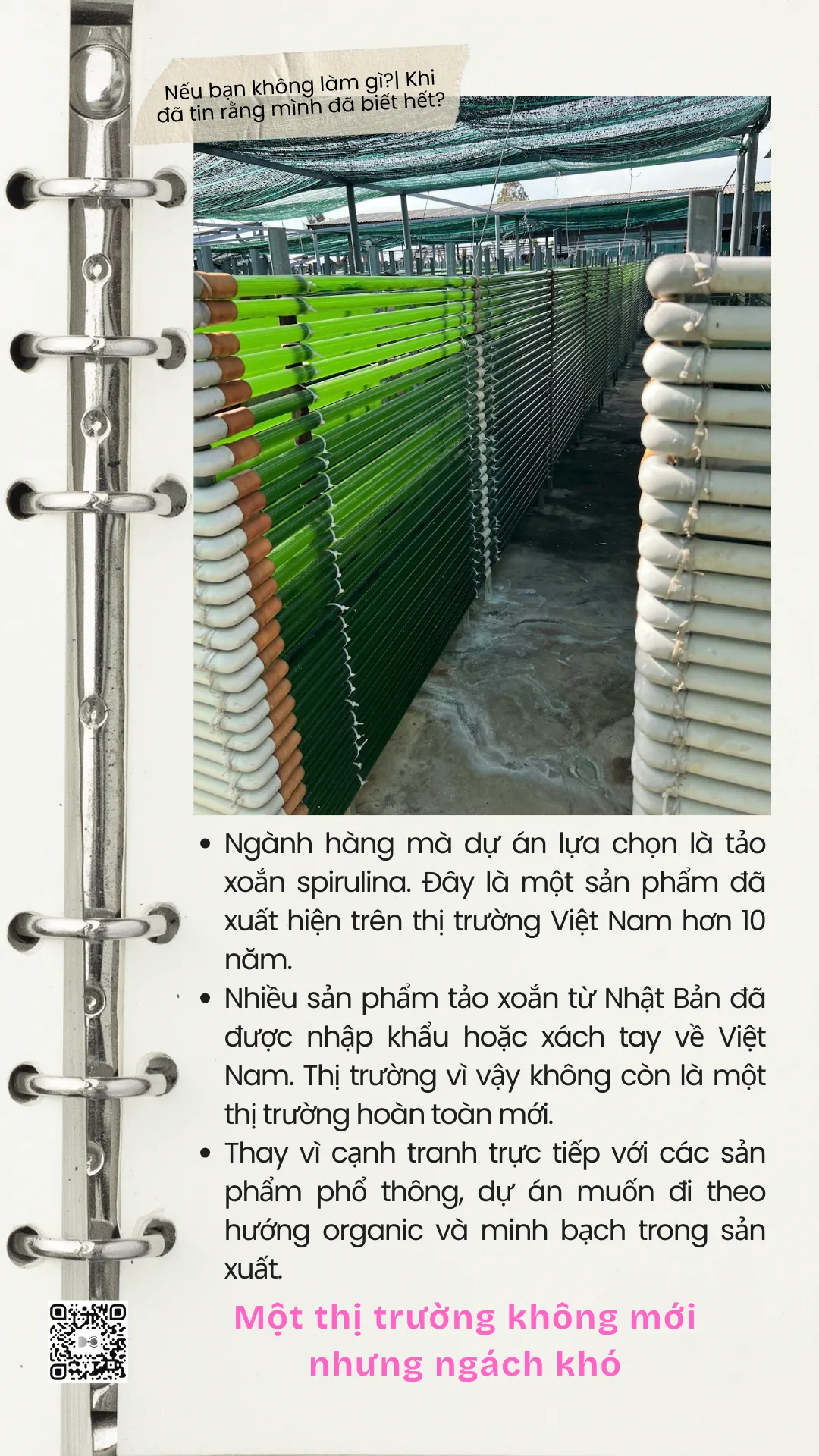
Instead of directly competing with mainstream products, the project aims for an organic and transparent production approach.
Therefore, the initial investment costs are planned to be quite high to ensure product quality and brand image.
A partnership is taking shape.
We began working on the project during the planning phase. Both sides agreed on a rather unique spirit of collaboration: mutual development.
This meant we would participate in the process of building market strategy, brand positioning, and budget planning.
In the initial stages, preparations for the project began to be implemented.
But as we delved deeper into the planning process, differences in perspective began to emerge.
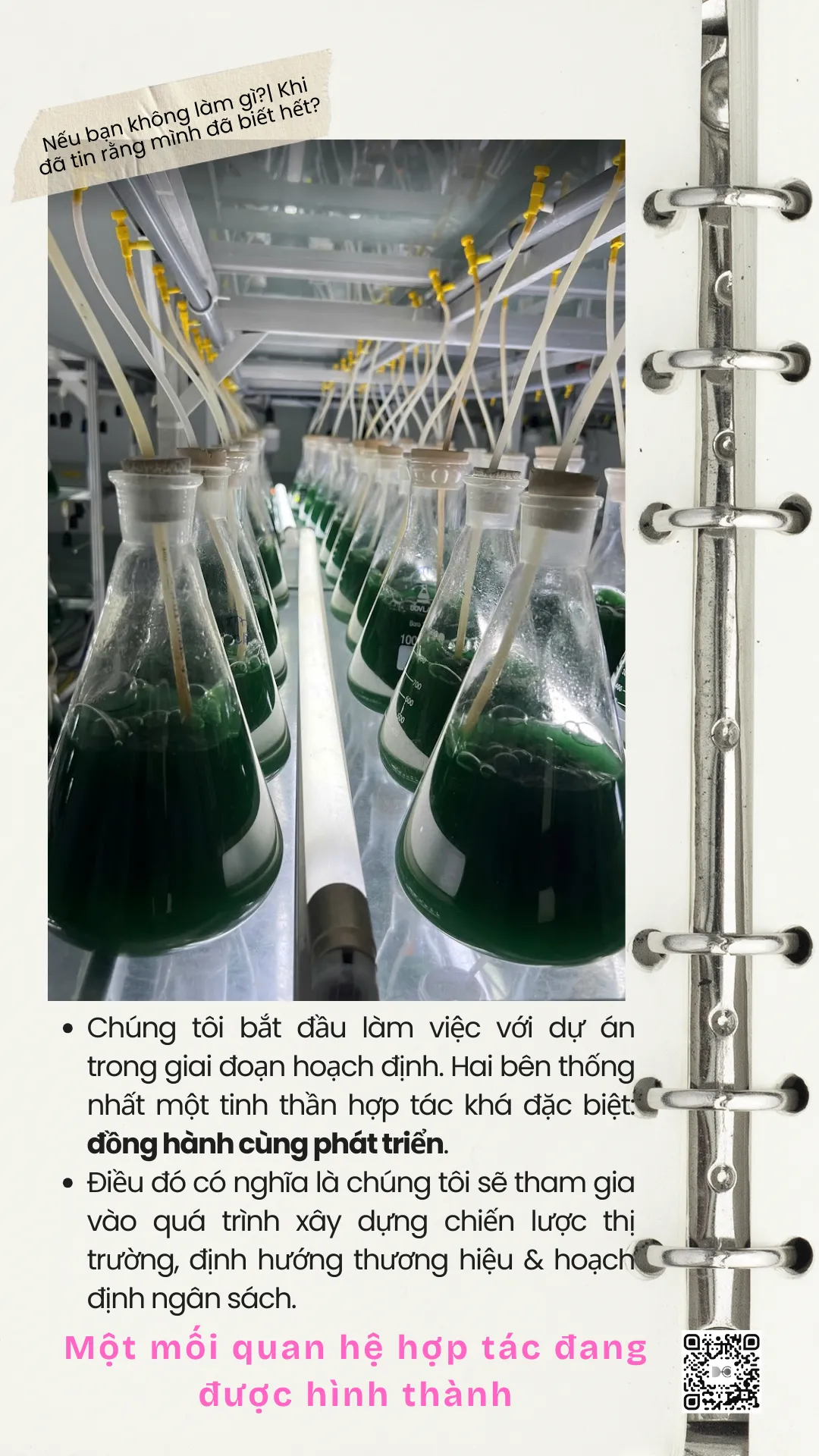
When the company believes it already has enough data
During discussions, the company began to argue that market research was no longer necessary.
The reasons given were quite clear.
- They had relationships with partners in China – a major supplier of spirulina raw materials to the market.
- They believed that industry data was already available online.
- They believed that this information was sufficient to understand the market.
Therefore, market research – a crucial part of the planning phase – was deemed unnecessary.
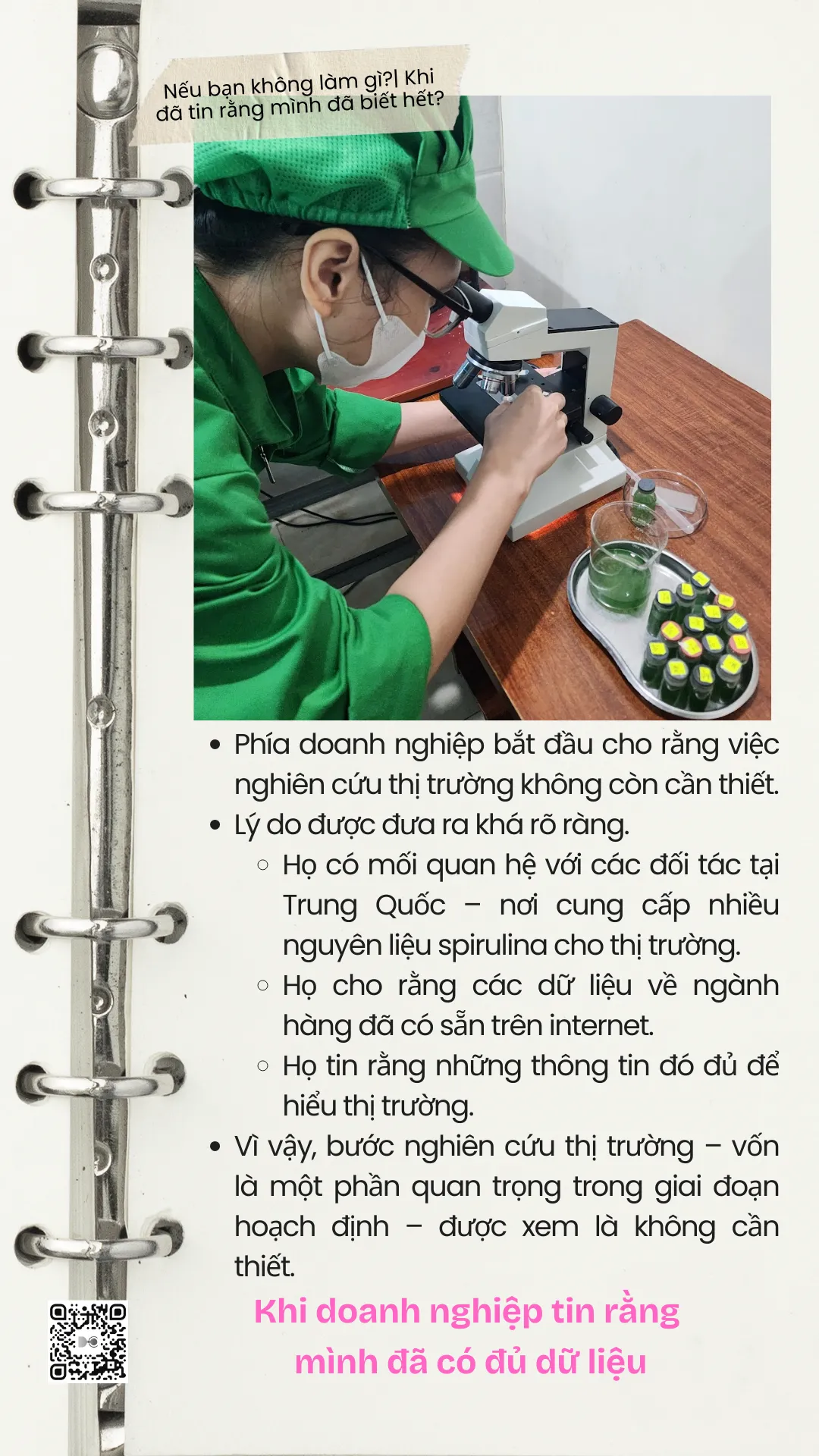
When the product didn’t yet have a clear form
At that point, the project was still in the product development phase.
But instead of building and defining the product and needing a clearly defined team of experts, the business chose a different approach.
- An acquaintance with cooking experience was invited to help with product development.
- Another acquaintance working on TikTok was considered to be able to support marketing.
- An acquaintance in sales could handle the sales aspect.
This approach helped the project reduce costs in the initial stages.
However, it also made the project’s operational structure quite loose.
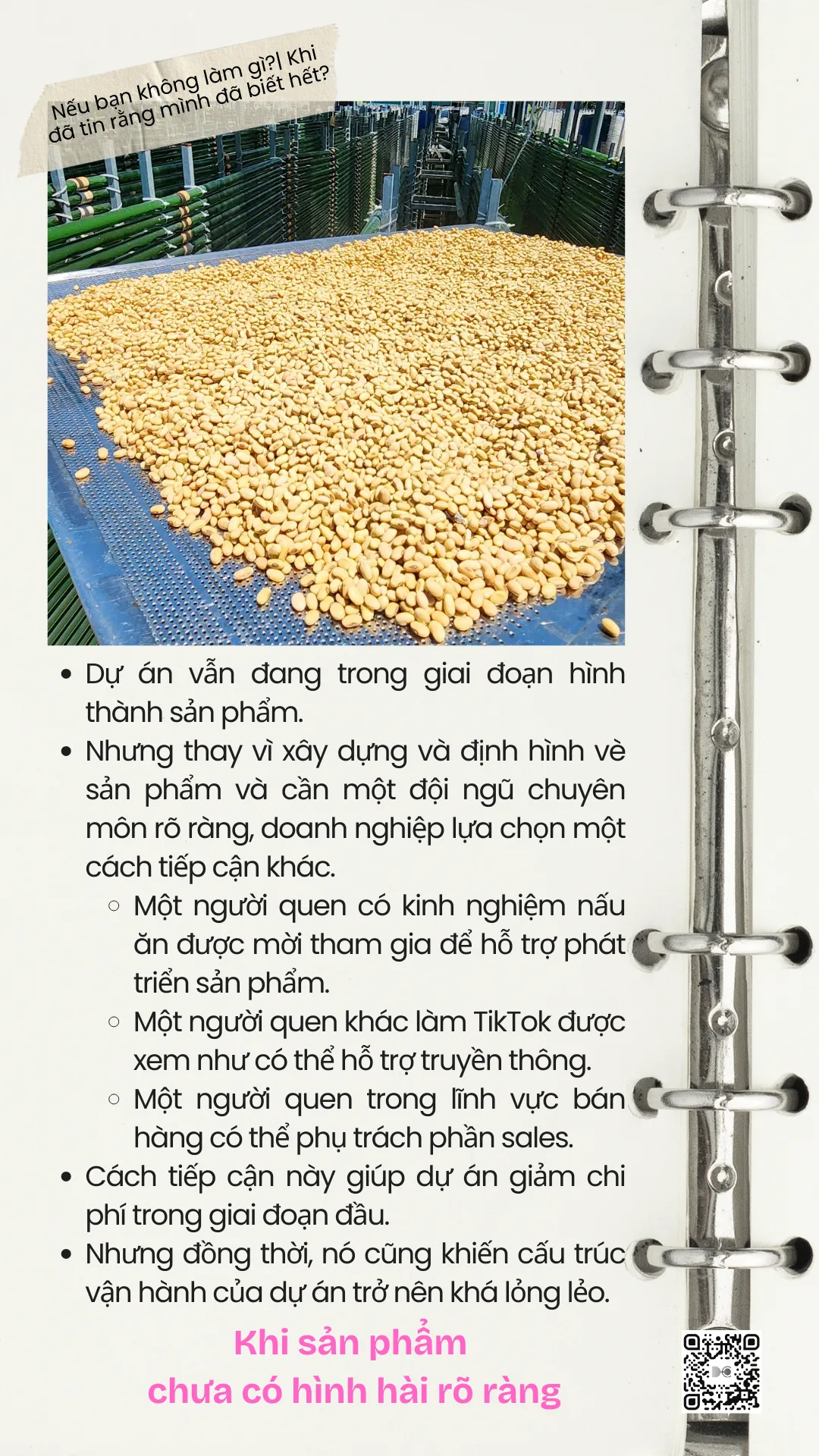
When the consultant’s role is reversed:
- During subsequent discussions, the business proposes a new partnership.
- Instead of adhering to the pre-planned budget, the business suggests the consulting firm should be responsible for all marketing and sales activities.
- In return, the service fee would be calculated as a percentage of the sales revenue generated by the consulting firm.
- In other words, all strategic, marketing, and sales activities would be entrusted to the consulting partner, but without an initial implementation budget.
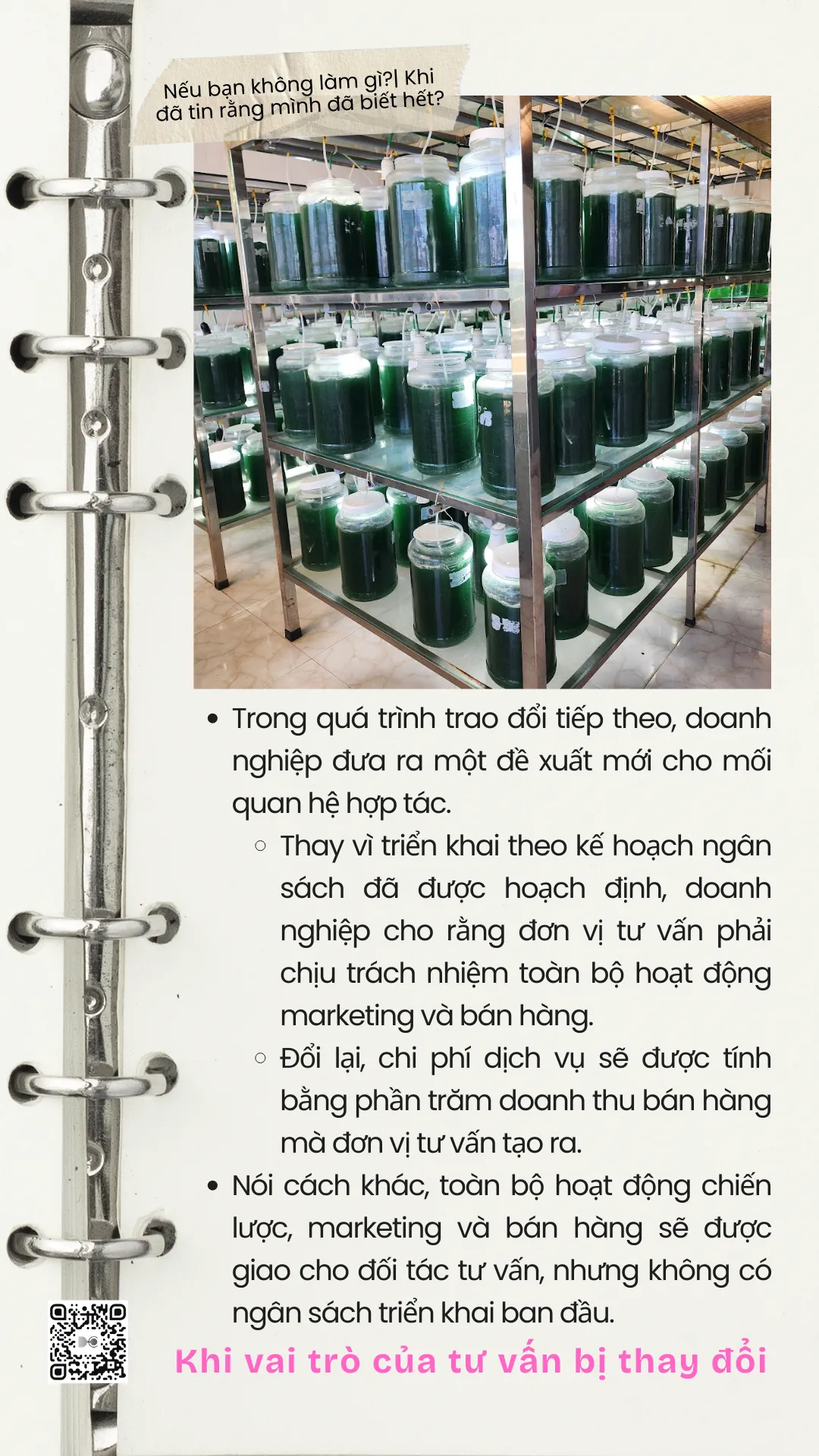
The company’s perspective is quite clear:
- They already have the product
- They already have many relationships
- Once they have the goods, they just need to sell them.
When the causes of previous minor problems began to be identified
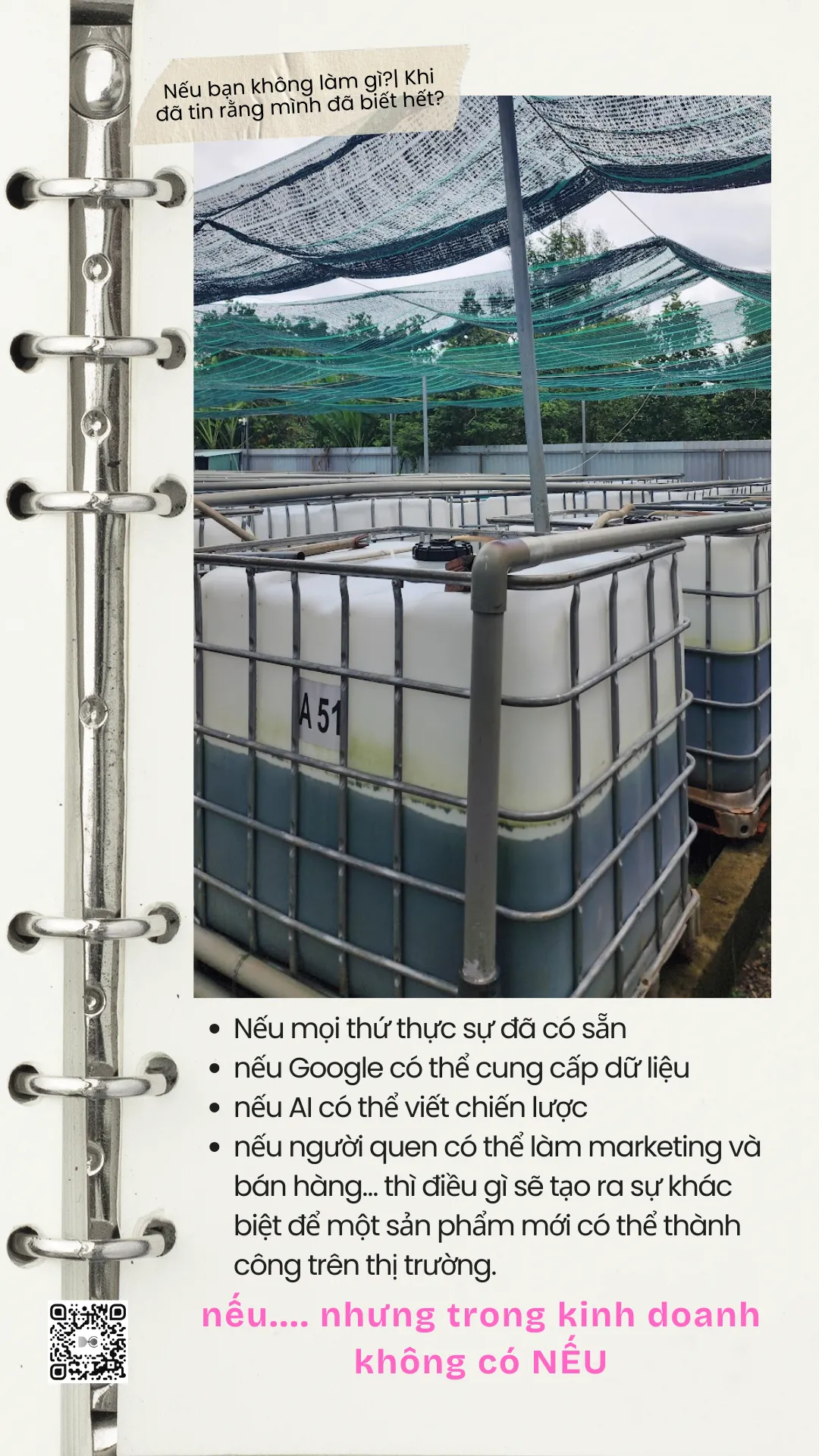
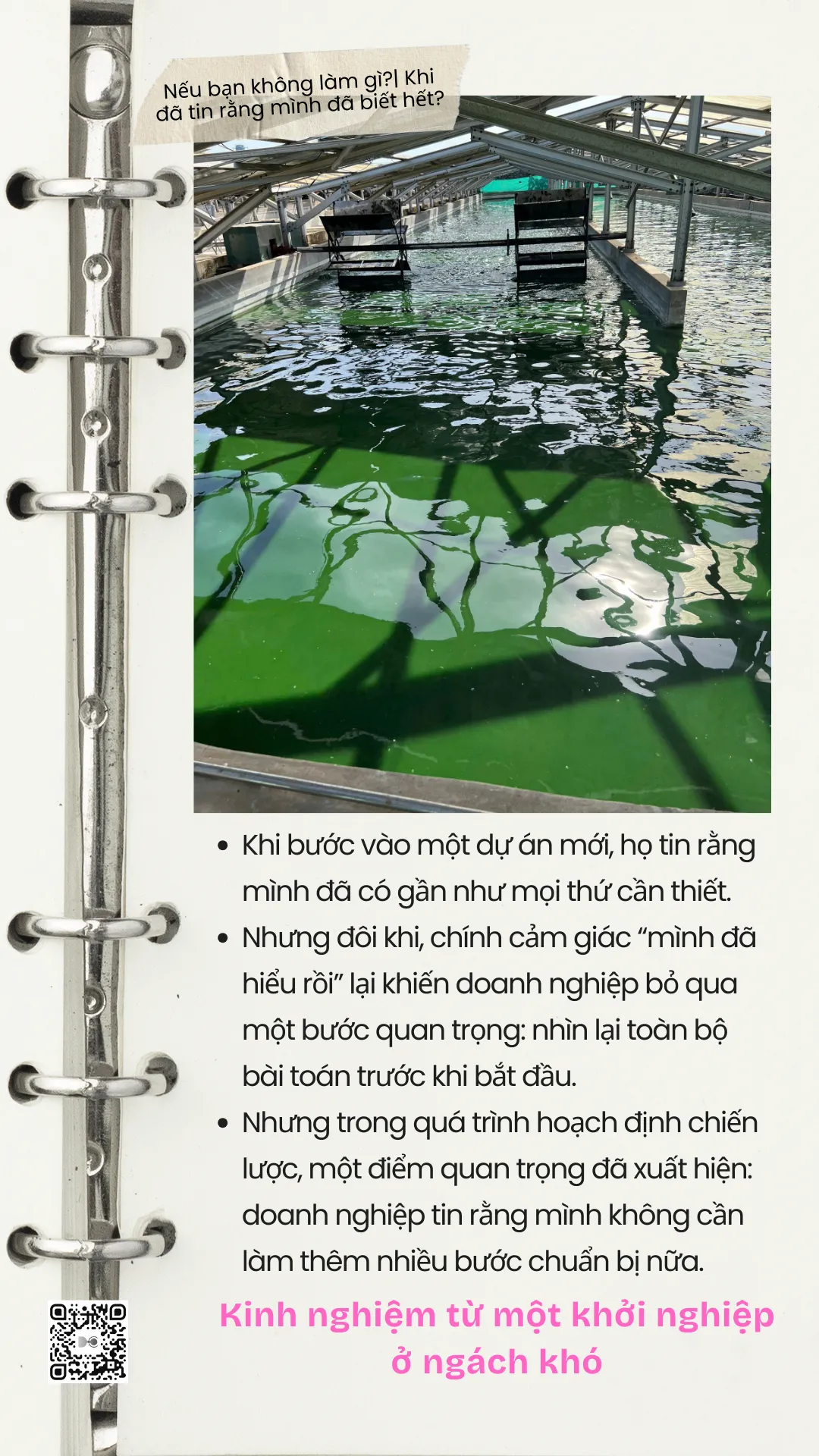
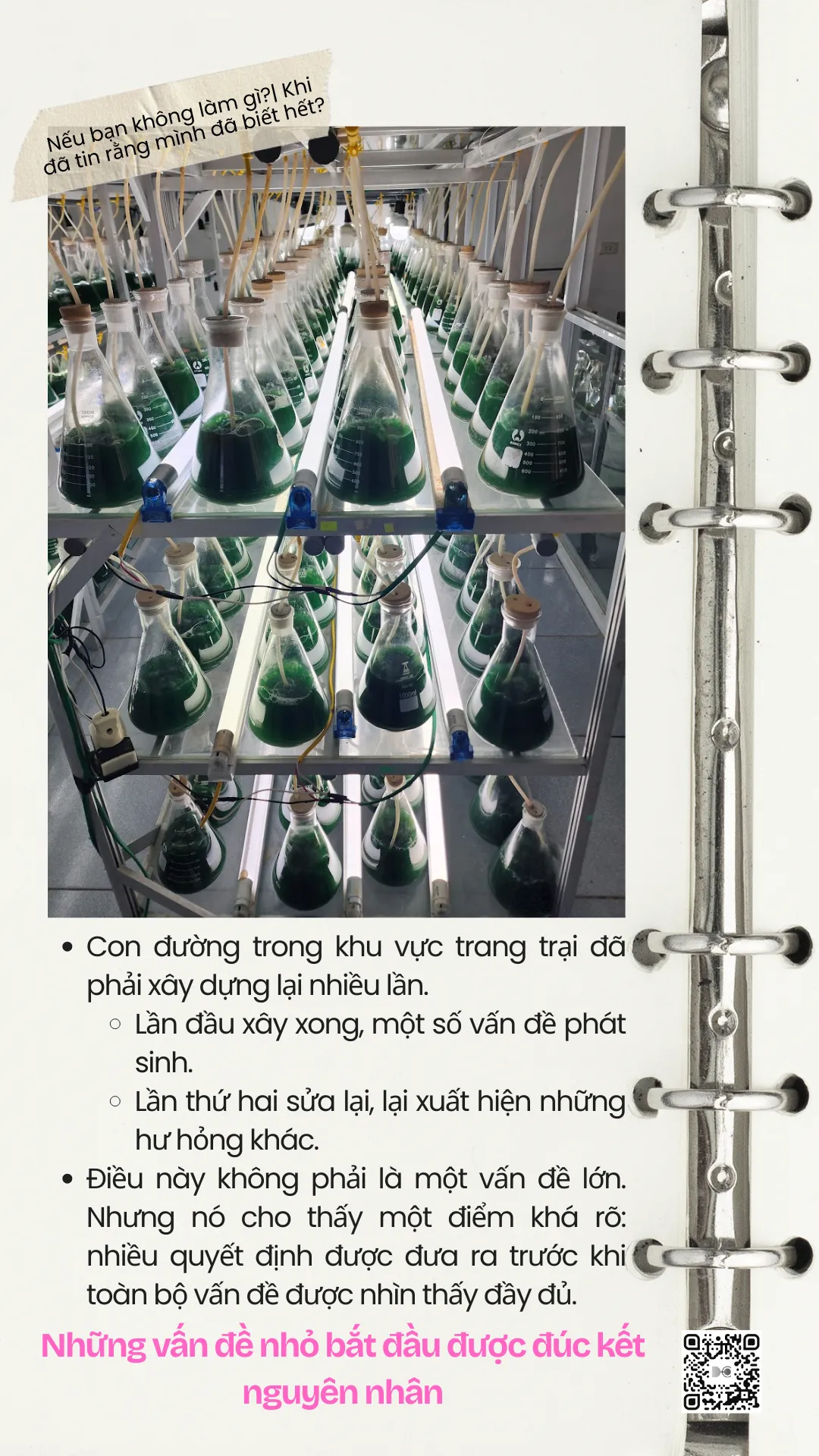
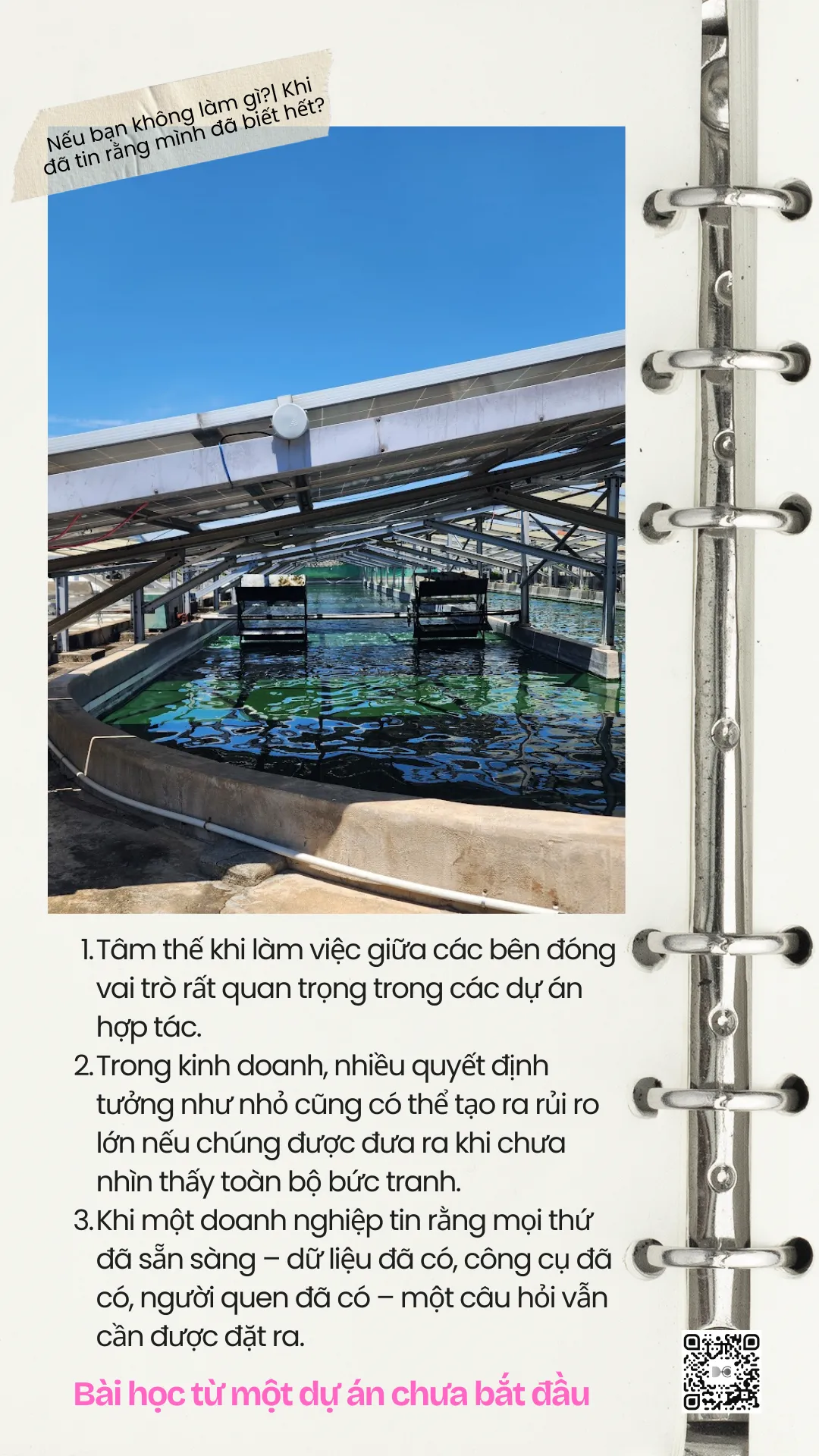
A small detail in the construction of the spirulina farm quite clearly reflects the project’s approach.
The road in the farm area had to be rebuilt several times.
- The first time it was built, some problems arose.
- The second time it was repaired, other damages appeared.
This wasn’t a major problem. But it clearly shows a point: many decisions were made before the full extent of the problem was understood.
When the two sides no longer see eye-to-eye
After several rounds of discussions, Mind Connector realized that their approaches had become quite different.
- One side believed the project needed additional preparatory steps to mitigate risk.
- The other side believed that most of those steps were no longer necessary.Khi sự khác biệt này trở nên rõ ràng, hai bên quyết định không tiếp tục hợp tác.

Lessons from a Project That Never Began
This story isn’t about failure. The project could have continued on its own. But from a strategic consulting perspective, there are some lessons worth considering.
- First, the mindset of the parties involved plays a crucial role in collaborative projects.
- Second, in business, many seemingly small decisions can create significant risks if they are made without seeing the whole picture.
- And finally, when a business believes everything is ready – data is there, tools are there, connections are there – a question still needs to be asked.
If everything is already readily available—if Google can provide the data, if AI can write strategies, if acquaintances can handle marketing and sales—then what will make the difference for a new product to succeed in the market?