NBKLG? | Price isn’t a static number. It’s the result of costs, the market, and how a business positions itself. When input costs start rising, but selling prices remain the same, many businesses believe they’re “retaining customers.” In reality, they’re silently shifting their profits into costs to maintain a seemingly stable state. And that state doesn’t last long. Because in business, doing nothing about pricing, specifically not having a specific pricing strategy, isn’t safe—it’s delaying risk.

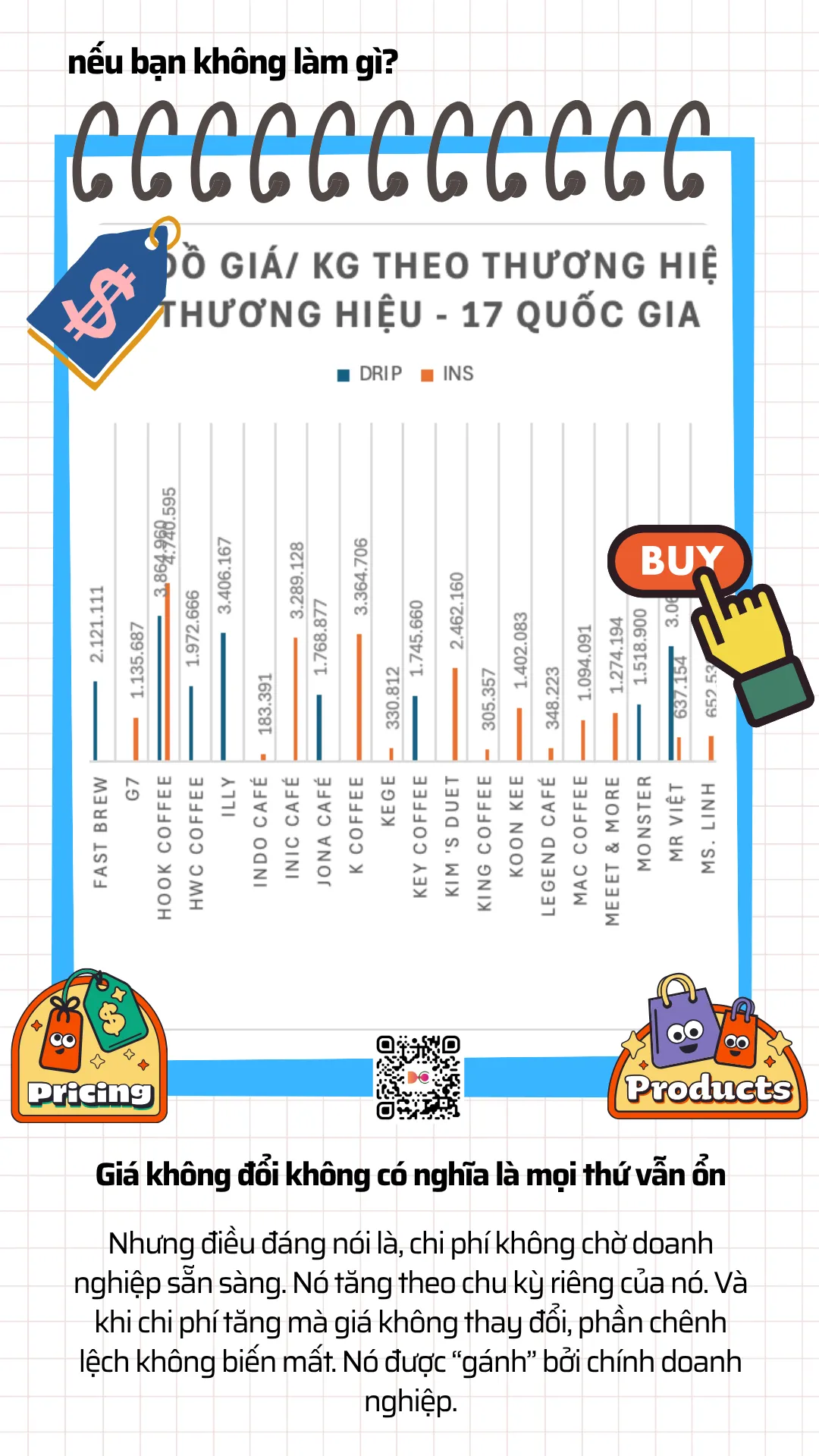
Maintaining a fixed price doesn’t mean everything is fine.
During periods of volatility, especially when raw material, operating, or logistics costs increase, businesses often choose to keep their selling prices unchanged. This decision is often justified by caution: fear of losing customers, fear of negative reactions, fear that the market isn’t ready.
But the important thing is, costs don’t wait for businesses to be ready. They increase in their own cycle. And when costs increase while prices remain unchanged, the difference doesn’t disappear. It’s borne by the business itself.
Initially, this figure isn’t too large. Profit margins decrease slightly. Financial reports don’t yet show alarming signs. But over time, this loss accumulates. And at a certain point, the business realizes it’s producing more, selling more, but keeping less for itself.
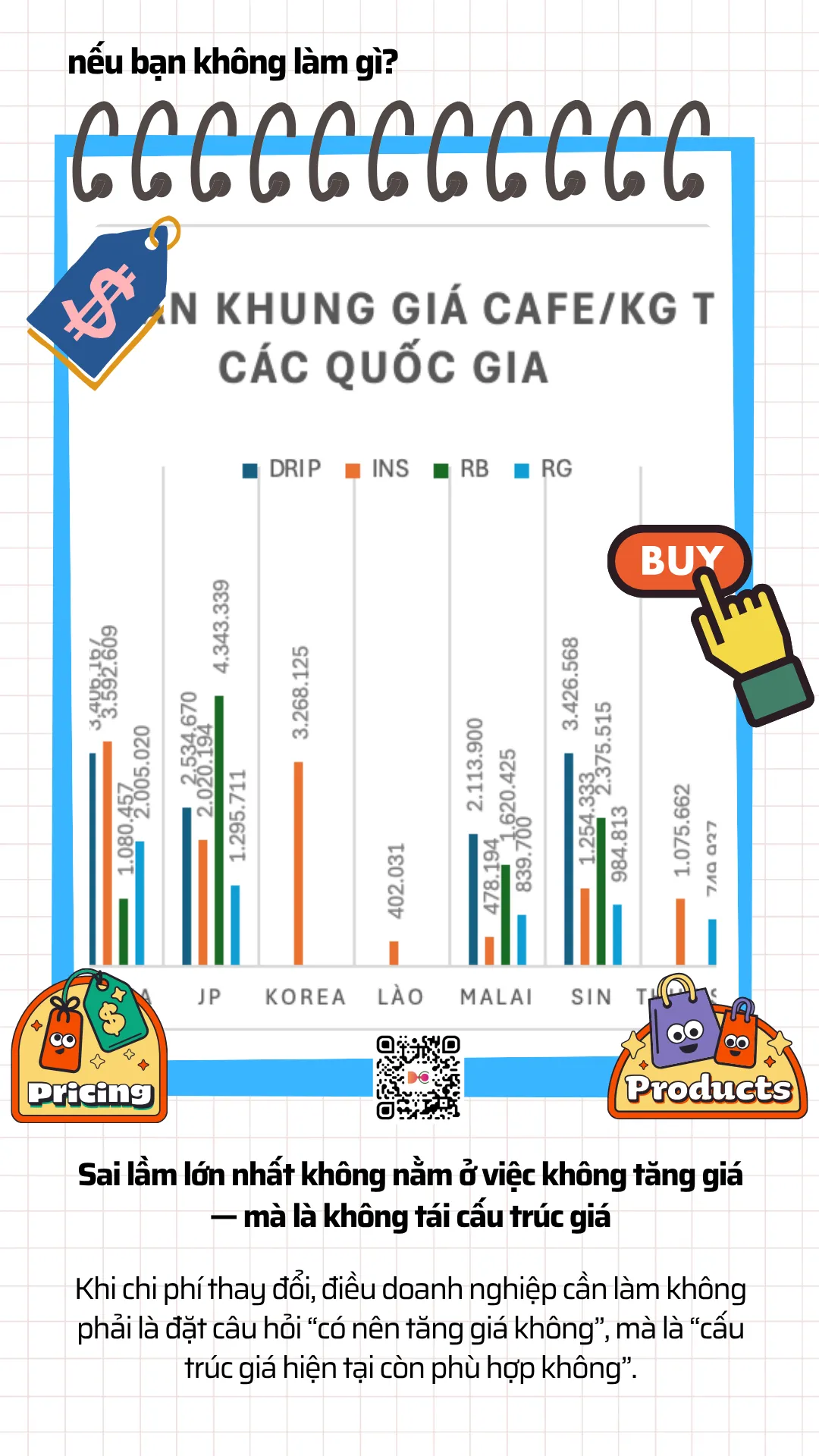
The biggest mistake isn’t not raising prices—it’s not restructuring pricing.
Many businesses understand that rising costs will inevitably lead to price adjustments. But they view this problem too simply: either raise or not raise.
Meanwhile, price isn’t just a single number. It’s a structure. That structure includes the product, the customer segment, the sales channel, perceived value, and the long-term strategy.
When costs change, what businesses need to do isn’t ask “should we raise prices?”, but “is the current pricing structure still appropriate?”.
There are cases where a direct price increase isn’t necessary, but adjustments are:
- Product Specifications
- Included Service Packages
- Promotional Policies
- Or Value Proposition
If businesses simply keep things as they are, they are not protecting their customers. They are missing an opportunity to adjust a system that is no longer suitable.
When businesses keep prices the same—they’re sending the wrong signal.
Price isn’t just a sales tool. It’s a message.
When the market is volatile and costs are rising, but a business keeps prices the same for an extended period, customers don’t necessarily feel like they’re getting a good deal. In many cases, they start to have doubts.
Why isn’t the price changing when everything else is going up?
Is the quality being affected?
Where is the business cutting costs to maintain this price?
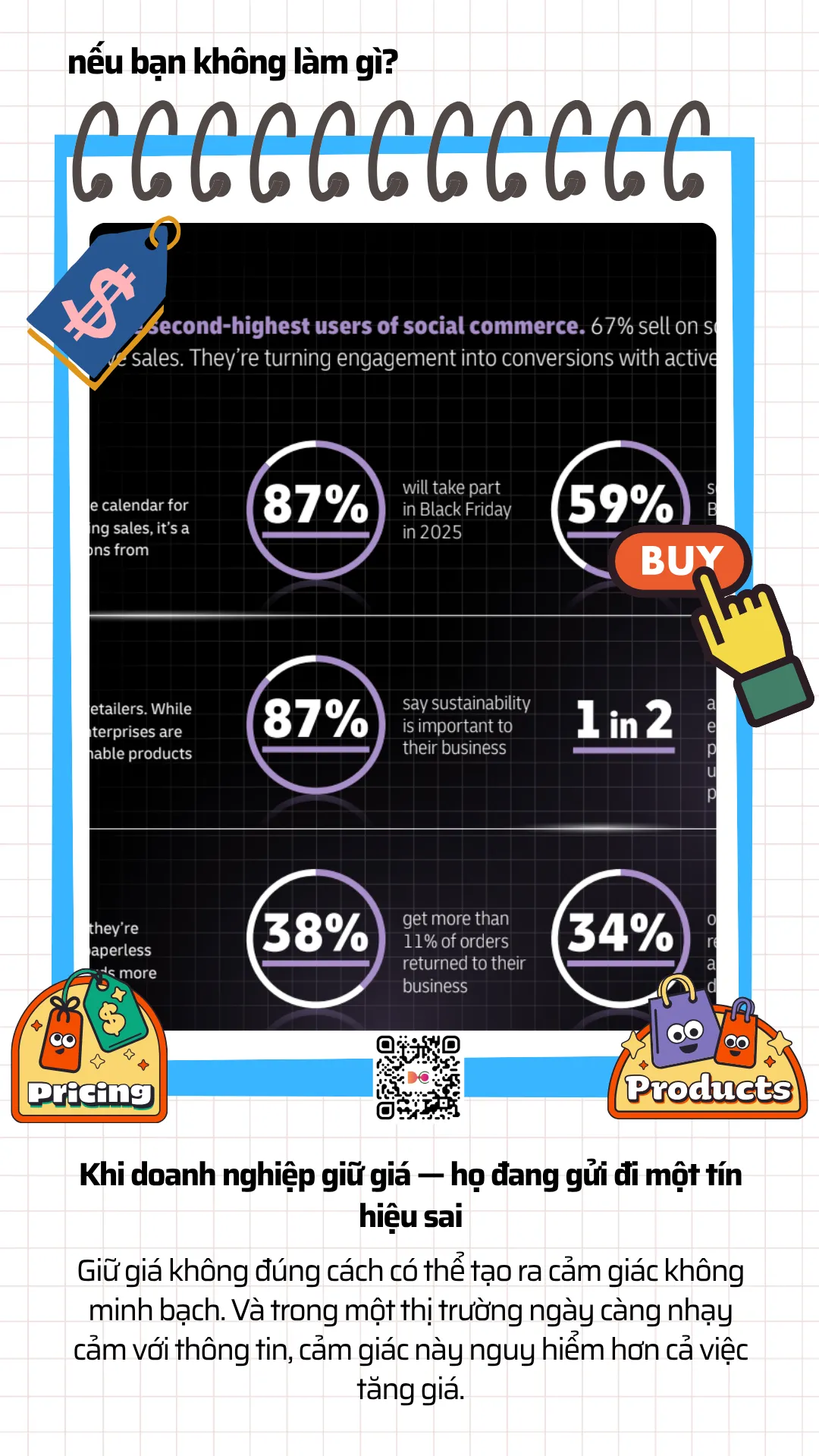
Improperly maintaining prices can create a sense of opacity. And in an increasingly information-sensitive market, this feeling is more dangerous than raising prices.
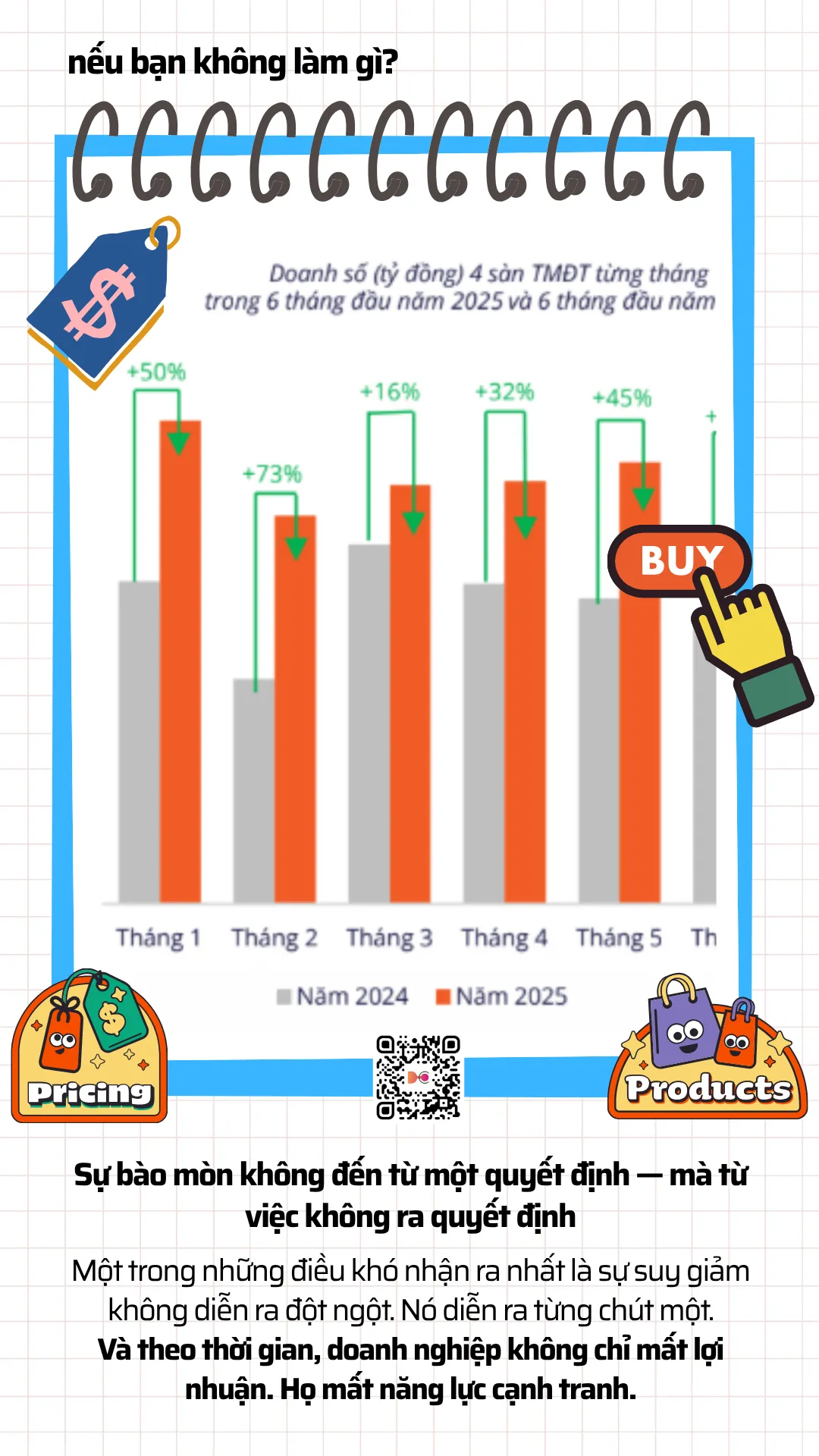
The erosion doesn’t come from one decision—it comes from the inaction of decisions.
One of the hardest things to recognize is that the decline doesn’t happen suddenly. It happens little by little.
Businesses don’t find themselves losing money right away. But they start:
- Reduce costs in the “invisible” areas
- Cut long-term investments
- Over-optimize staffing
- Or delay necessary improvements
All of this doesn’t stem from a clear strategy. It’s a consequence of shrinking profit margins that aren’t being addressed directly. And over time, businesses not only lose profits; they lose competitiveness.
Why are businesses hesitant to adjust prices?
From an expert’s perspective, this isn’t just a financial issue. It’s a psychological and strategic one.
Businesses often fear that raising prices will drive customers away. But this is only true if price is the only factor customers care about.
In reality, customers are willing to pay a higher price if they understand the value. What they won’t accept is an unclear, unexplained change, or one that doesn’t come with a commensurate experience.

Furthermore, many businesses lack the data to confidently make adjustments. They don’t know their customers’ price sensitivities, they don’t clearly segment their customer base, and therefore choose the safest option: no change.
But in a changing market, “no change” is no longer a safe choice.
If you do nothing — you’re letting the market decide for you.
The market always has a way of self-correcting. If you don’t proactively adjust the price, you will be adjusted through other factors.
- Competitors may raise prices first and reposition themselves.
- Suppliers may continue to increase costs.
- Customers may switch to options with clearer value.
At that point, you no longer control your pricing narrative. You’re simply reacting to external changes.
And when businesses have to react passively, they often pay a higher price.

The solution isn’t to raise prices—it’s to redesign value.
Price is only the end of a chain of decisions. Before addressing price, businesses need to re-examine their entire value system.
- Does the product still meet current customer expectations?
- Is the experience compelling enough to make a difference?
- Does the message help customers understand why they should pay this price?
Once these factors are clear, adjusting prices is no longer a major risk. It becomes a logical step.
Conversely, if these factors are unclear, maintaining or raising prices are both problematic.

A reality to accept: Not every customer needs to be retained.
One of the biggest barriers to price adjustments is the fear of losing customers. But not every customer brings the same value.
There are different customer groups:
- Price-sensitive
- Low loyalty
- And does not contribute much to long-term profits
If the new pricing structure causes some of this group to leave, that’s not necessarily a loss. In many cases, it’s a necessary restructuring step for the business to focus on more suitable customers.

Keeping prices unchanged is a decision—and it has its own price.
Not adjusting prices when the market changes is not neutrality. It’s a decision with clear consequences.
Businesses may not see the impact immediately in the short term. But in the medium and long term, they will face the reality: eroded profits, diminished competitiveness, and limited ability to invest for the future.
In a constantly fluctuating market, the important thing isn’t whether to maintain or increase prices. The important thing is whether a business is proactive enough to redesign its pricing structure to reflect reality.
Because if you don’t, the market will. And then, you’re no longer the one controlling the game.